Life science · computational chemistry · independent software

Liao Chenyan

Liao Chenyan

I work in AI-assisted drug discovery, studying proteins and small molecules with computational methods.

My earlier research involved ecology, insect behavior and genomics. This site brings together my published work, two apps I develop, and photographs of insects, mountains and the night sky.

Ecology and insect behavior → genomics and regulation → AI for Biology → molecular design

Papers and open-source projects are listed below, with links to the original work.

01Selected Work

Papers and open-source projects

“The first principle is that you must not fool yourself—and you are the easiest person to fool.”

— Richard Feynman“Cargo Cult Science”
Peer-reviewed articleCommunications Biology · 2026

lncRNAs contribute to caste differentiation as a regulatory layer in ants

Ding, G., Lin, F., Zheng, J. et al. Communications Biology (2026)

What this work asks

Queens and workers can share essentially the same genome yet develop different bodies and perform very different work. Across developmental transcriptomes from the pharaoh ant and a leaf-cutting ant, this study identifies lncRNAs whose caste bias becomes progressively canalized, then connects those patterns with tissue-specific protein-coding networks, RNA-interference experiments, and juvenile-hormone responses.

My contribution

I contributed to several parts of the bioinformatics analysis.

Published

DOI: 10.1038/s42003-026-10839-z

Read the paper
Open-source research outputv2.2.0 · AGPL-3.0

CHARMM-GUI System Builder

An AI Agent skill for checking CHARMM-GUI membrane-system inputs, recovering interrupted jobs, identifying downloaded packages, and verifying GROMACS files.

Problem
A completed browser page, a completed download, and a checked GROMACS topology are three different states; none can prove the other two.
Liao's contribution
Turned input checks, browser-job capture, long-job recovery, archive identification, and GROMACS file inspection into steps an agent can execute one by one.
Public evidence
GitHub v2.2.0 release, AGPL-3.0 source, and public documentation; the public repository contains 130 tests and publishes structural-environment, pose-preservation, restraint-handoff, and Receipt 2.0 closure gates.
Boundary
An unofficial community project that does not replace CHARMM-GUI, run production simulation, or approve a system for production MD automatically.
Current direction
Continue strengthening structural-environment, ligand-pose, and restraint-handoff checks while keeping system building, MD authorization, and scientific judgment separate.

An unofficial community project. It is not affiliated with or endorsed by CHARMM-GUI, the Im Lab, or Lehigh University.
02Research Perspective

Proteins, small molecules and computation

“Living matter evades the decay to equilibrium.”

— Erwin SchrödingerWhat Is Life?

My current work is in AI-assisted drug discovery (AIDD). I study how small molecules might interact with proteins, and how computational comparisons can help select candidates for experiments.

A protein can adopt different conformations, and the same molecule can have several proposed binding poses. I am interested in how those choices affect a comparison: which contacts change, whether a pose remains plausible during a simulation, and whether different methods support the same interpretation.

Molecular generation, virtual screening, docking and molecular dynamics contribute different kinds of information. To interpret their results, the input structures, parameters and selection decisions need to be available for review. A candidate also needs a practical route to synthesis or purchase and an appropriate assay. Computational scores and trajectories alone do not establish binding, activity or mechanism.

01

Protein conformations and molecular contacts

Research question

If the protein changes conformation, does a proposed small-molecule binding pose still make sense?

What the comparison involves

Comparing pocket geometry and molecular contacts can reveal why a prediction depends on a particular structure. Concentration, membranes, metabolism and competing molecules introduce further conditions when moving from a structural model to a cellular experiment.

02

Choosing candidates for experiments

Research question

When only a small number of compounds can be tested, what should determine their priority?

What the comparison involves

Docking scores are one part of that decision. Chemical plausibility, structural diversity, agreement between methods and the availability of compounds also affect whether a shortlist is useful to an experimental team.

03

Reproducing a computational comparison

Research question

Can another person trace a selected candidate back to its structure, settings and selection criteria?

What the comparison involves

Structure preparation, software versions, failed runs and manual selections can all change a comparison. Recording them makes it possible to repeat the calculation and examine why two runs disagree.

03Research Arc

From ecology, insects and omics to AIDD

“In nature, nothing exists alone.”

— Rachel CarsonSilent Spring
  1. 01Current direction

    AIDD & molecular design

    My current research focuses on proteins, small molecules and computational chemistry. It brings together molecular generation, virtual screening, docking and molecular dynamics to compare possible interactions and candidate compounds.

    The experimental follow-up remains part of the question: which compounds can be obtained, what should be measured, and which alternative explanations need testing?

  2. 02Computational transition

    AI for Biology & computational methods

    The transition from omics to AIDD shifted the focus of my computational work toward protein structures and small molecules. Structure preparation, candidate comparison and simulation analysis became central tasks.

    This work connects my background in biology and genomics with structural biology and chemistry. The questions now concern molecular geometry and interactions as well as variation in biological data.

  3. 03Earlier foundation

    Evolutionary genomics & multi-omics

    My earlier work includes evolutionary genomics, transcriptomics, epigenetics and heterosis. These areas examine how genetic variation and gene regulation relate to differences in phenotype.

    Interpreting an omics comparison requires attention to sample composition, batch effects and annotation. Those conditions matter when deciding whether a difference supports a biological explanation.

  4. 04Organisms and behavior

    Insects, behavior & adaptation

    Insects and behavior are also part of my research background. At this scale, the questions concern whole organisms and the relationship between behavior, development and environmental conditions.

    A behavioral measurement needs its context: what was measured, under which conditions, and what other behaviors could produce a similar value.

  5. 05Ecological background

    Ecology, biodiversity & living systems

    Ecology is part of my earlier research background, alongside an interest in biodiversity. It considers organisms in relation to other species, resources and environmental change.

    My present focus on molecules sits within this broader biological background. Molecular, organismal and ecological studies address different parts of a biological question and require different kinds of evidence.

04About

I Am What I Am

“You can't connect the dots looking forward; you can only connect them looking backwards.”

— Steve Jobs
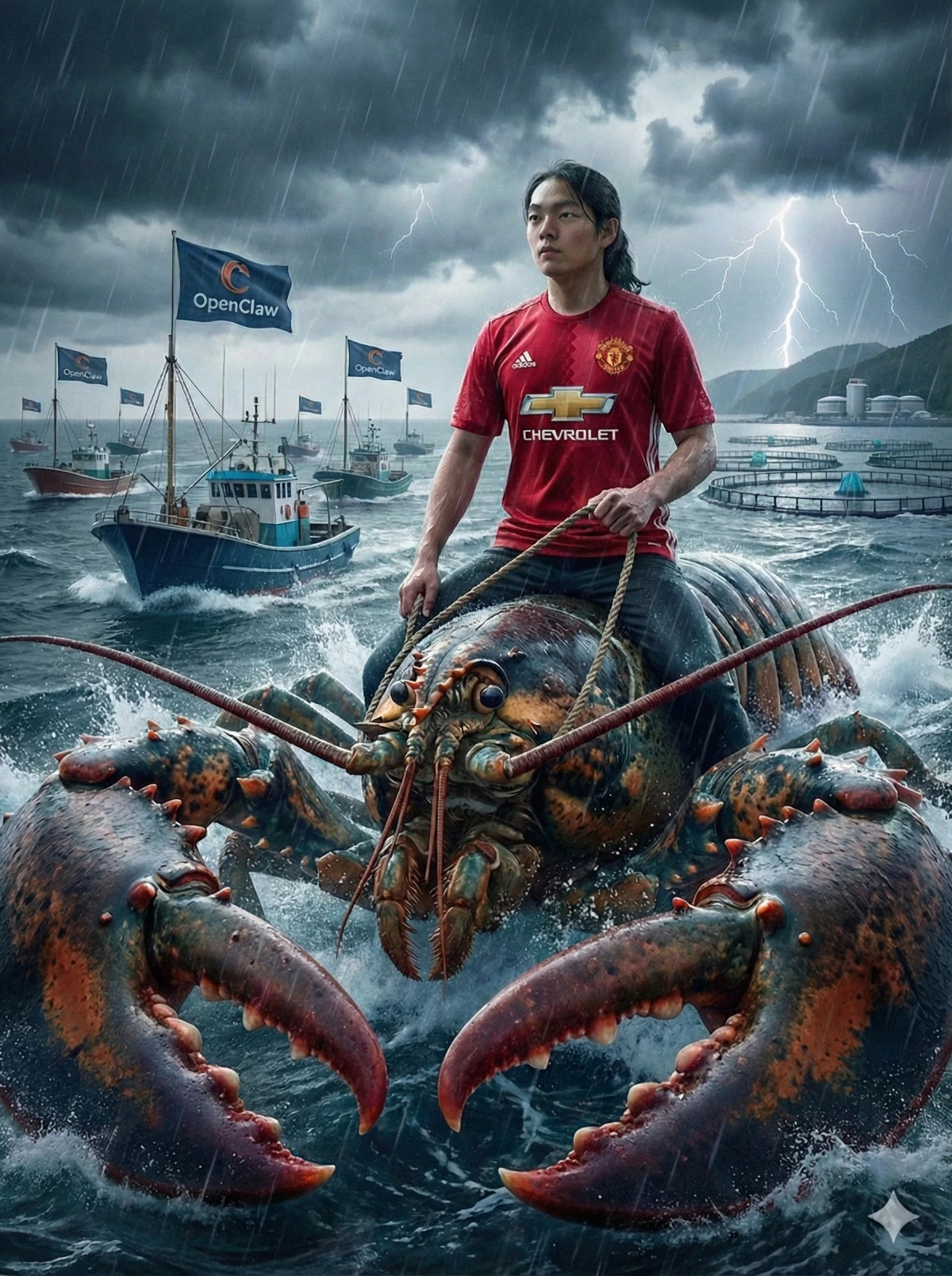
A surreal self-portrait of Liao Chenyan riding a giant lobster through a stormy sea.
A rather unlikely self-portrait.

Outside research, my interests include photography, coffee and film. I also develop two independent apps: YanMore Grind and FilmDevMonitor.

01

In one photograph, a newly emerged cicada rests beside its shell, its thin wings still unfolding. In another, golden light reaches the snow on a mountain ridge while the valley remains blue. Photography lets me look closely at details as different as these.

02

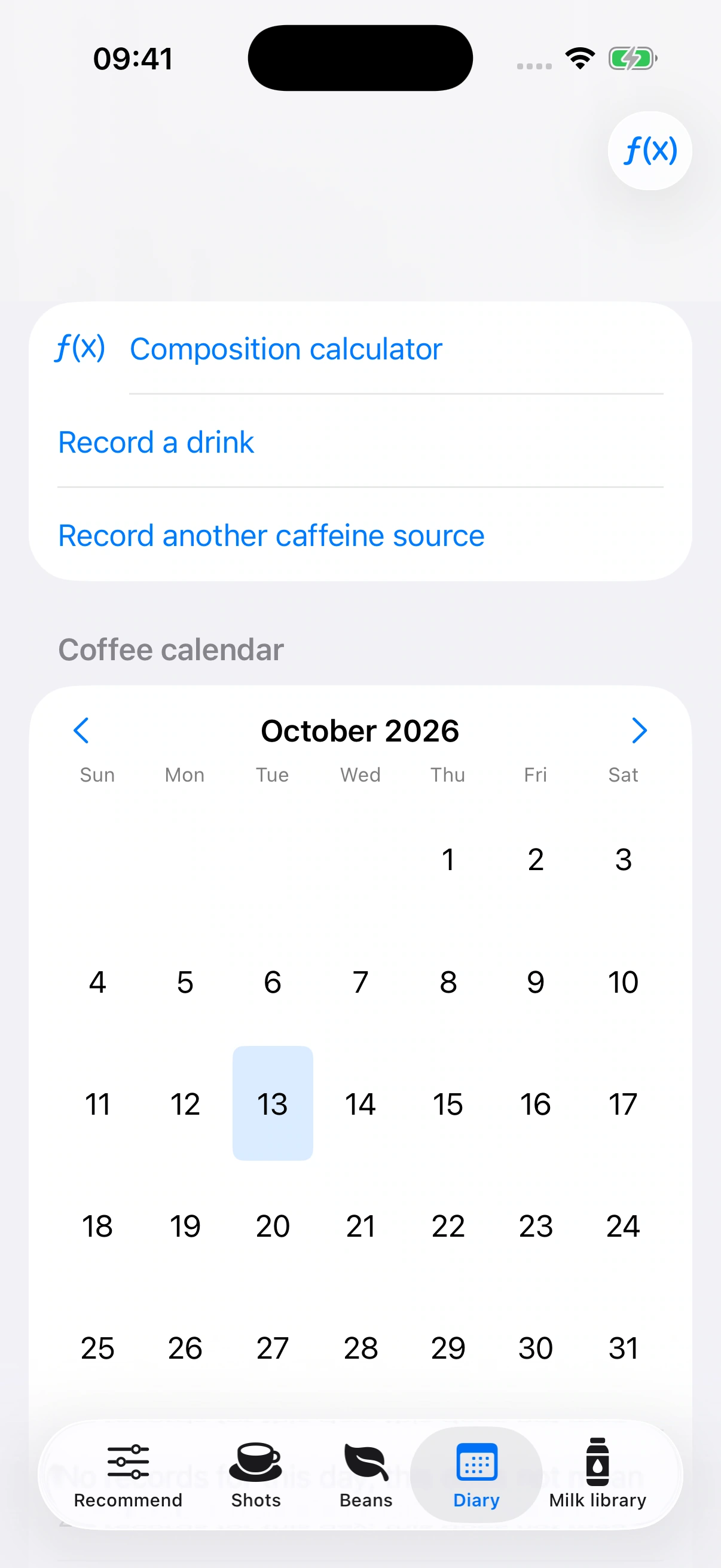
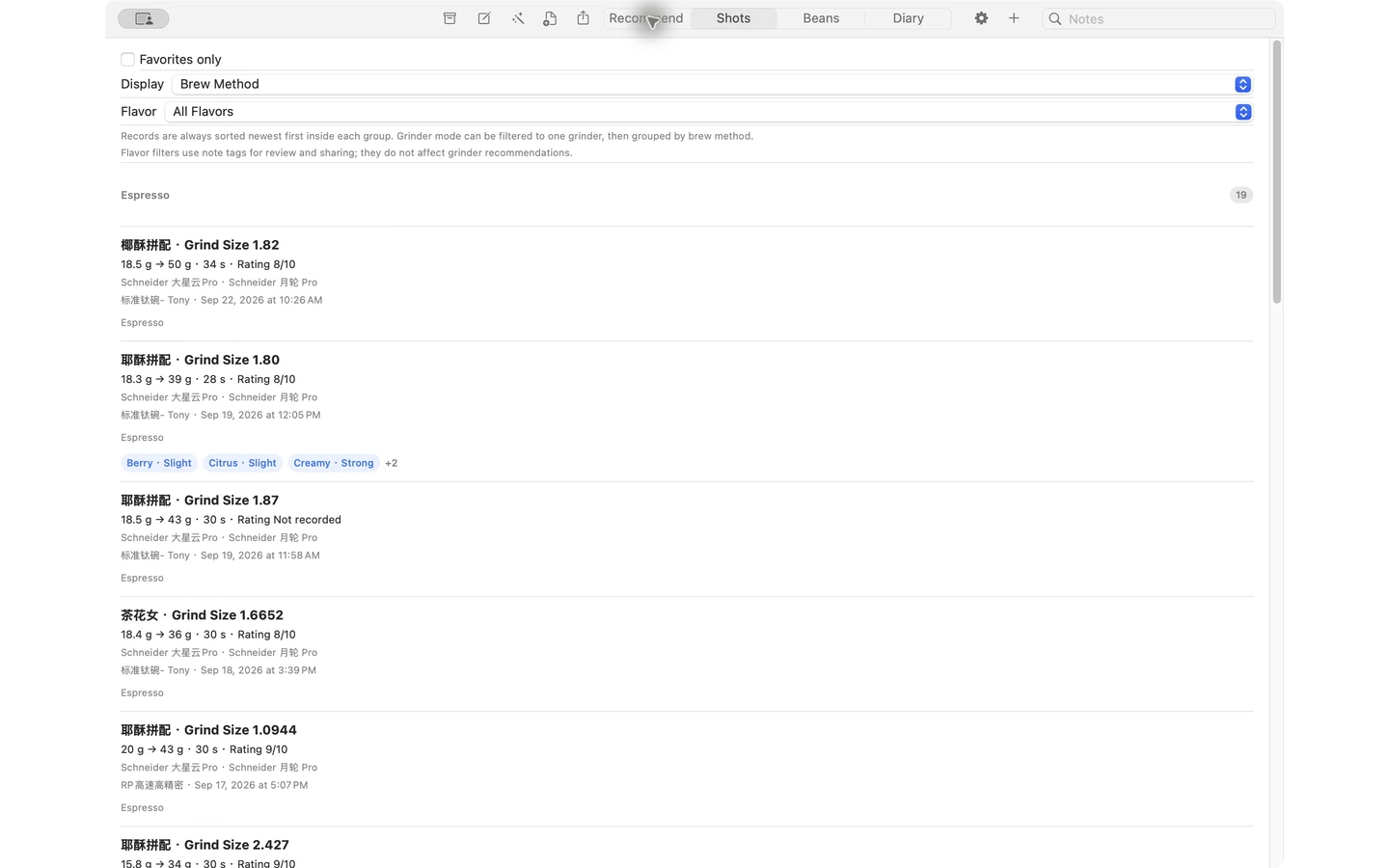
Coffee is also the subject of YanMore Grind. A new bag of beans often means adjusting the grinder again; the app keeps settings, brew results and tasting notes together so a previous attempt is easier to find.

03

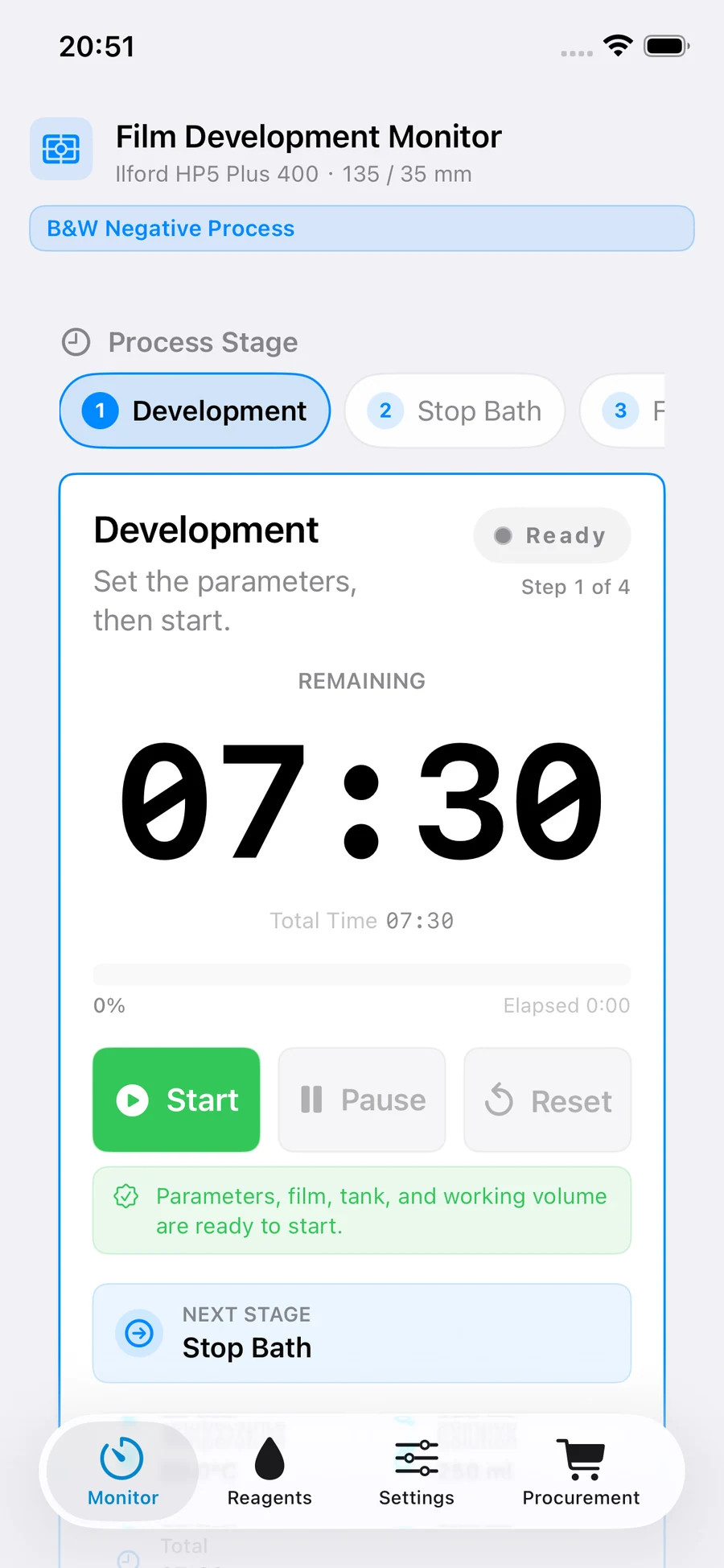
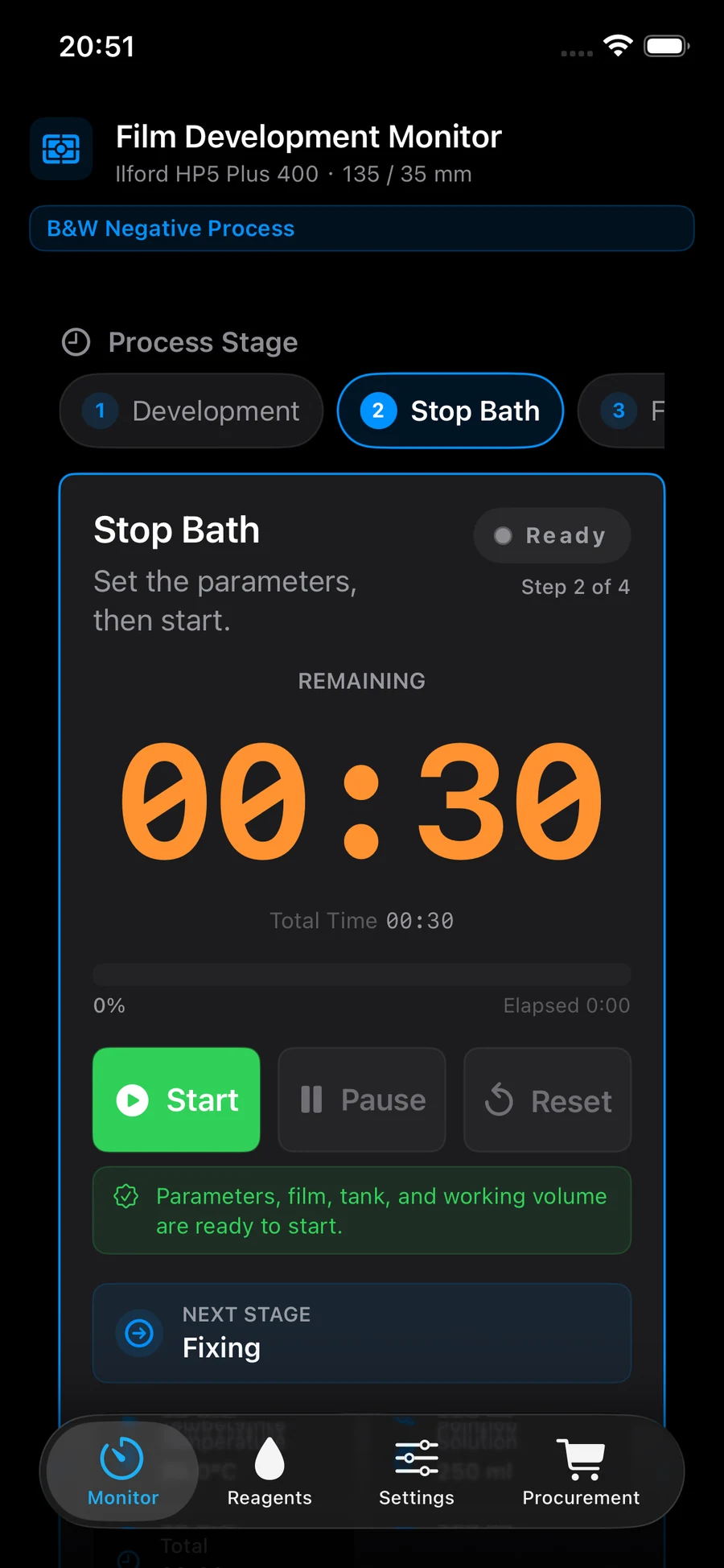
FilmDevMonitor concerns another part of photography: developing film. It brings the process, chemistry, temperature, agitation and timer into one view, with the relevant sources and safety notes close to the current step.

Why a lobster?

I like the absurdity of riding a giant lobster through a storm. It is a playful self-portrait, with no grand explanation behind it.

05Independent Products

Coffee calibration and film development

“Recognizing the need is the primary condition for design.”

— Charles Eames
01Available for iPhone, iPad & Mac · Multilingual interface

YanMore Grind

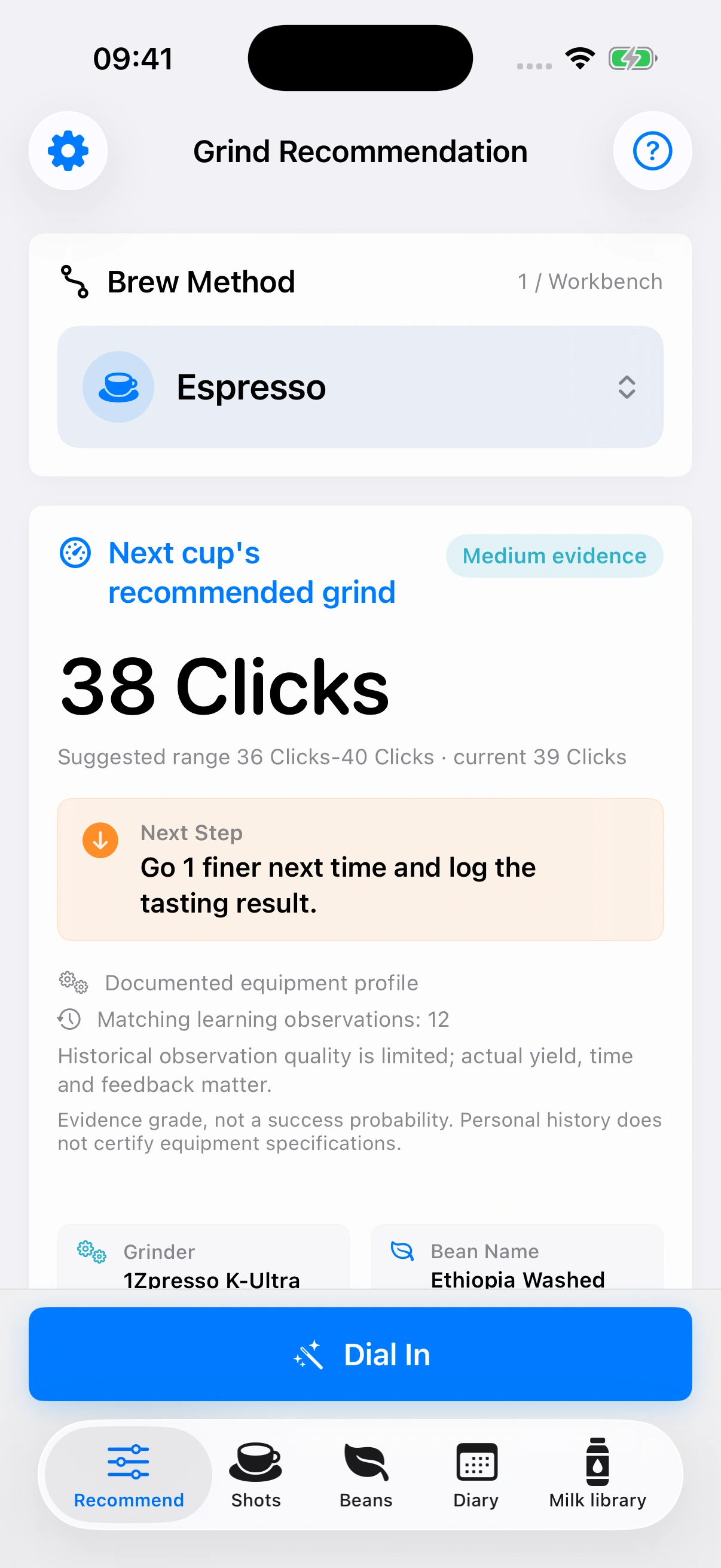
Find a starting grind, record the brew, and keep the recipe you enjoyed.

Espresso today, a pour-over tomorrow, from the same bag. Note a citrus aroma separately from a dry finish. Version 2.3.1 expands the flavor wheel and adds repeat-purchase records, with clearer Free / Pro boundaries for calibration and the bean workbench.

2.3.1 has been submitted for review; the public App Store version is 2.3.0 (checked 2026-10-19).

Learn more
YanMore Grind — Grind guidance
Grind guidance
YanMore Grind — Coffee calendar
Coffee calendar
YanMore Grind — Mac brew history
Mac brew history
02Preparing for App Store release · Multilingual interface

FilmDevMonitor

Once development begins, keep chemistry, temperature, agitation, timing, and the next action on the same screen.

Learn more
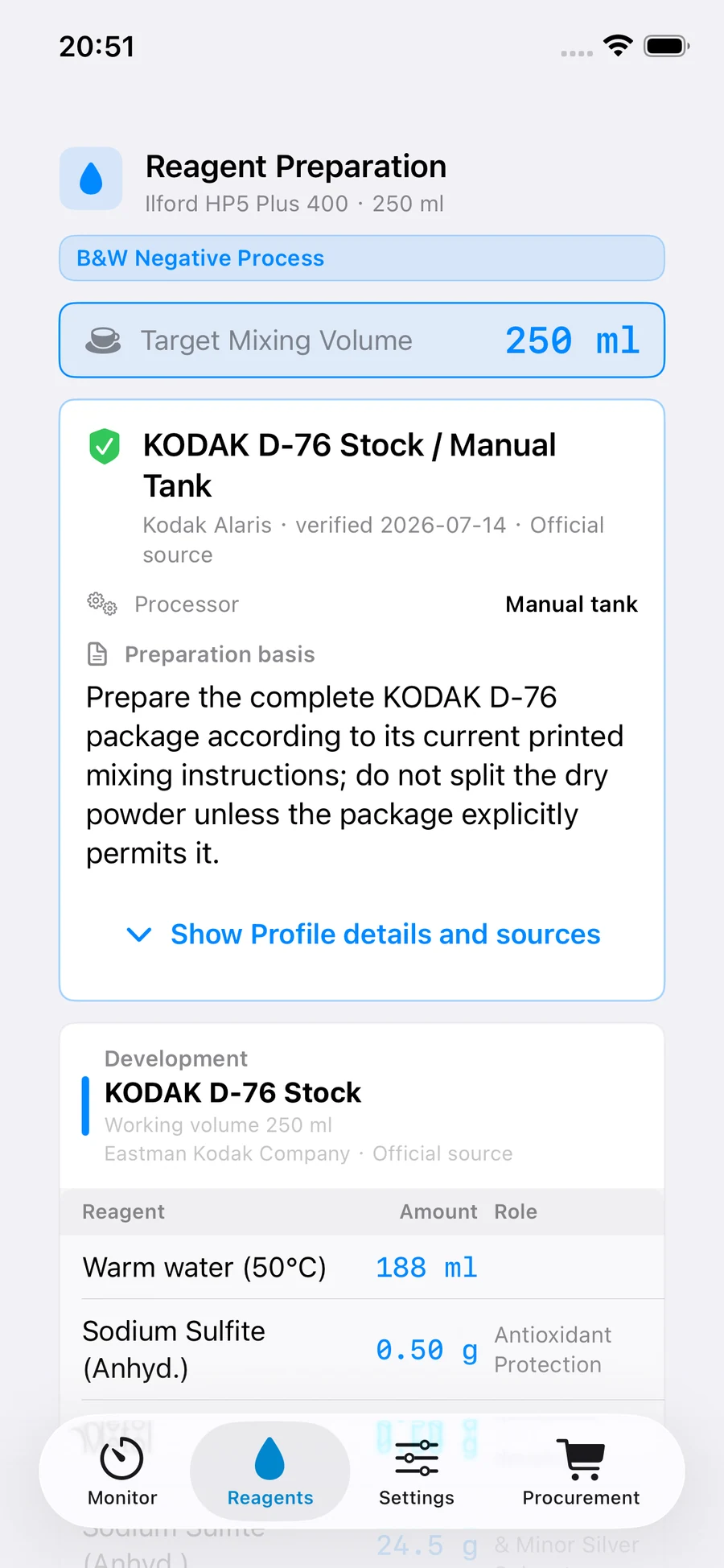
FilmDevMonitor stage monitor with an ordered process, timer, and operating controls.
Follow the active stage
FilmDevMonitor dark readiness view with checks before a process begins.
Check readiness before starting
FilmDevMonitor reagent preparation screen with process references and safety context.
Prepare reagents with context
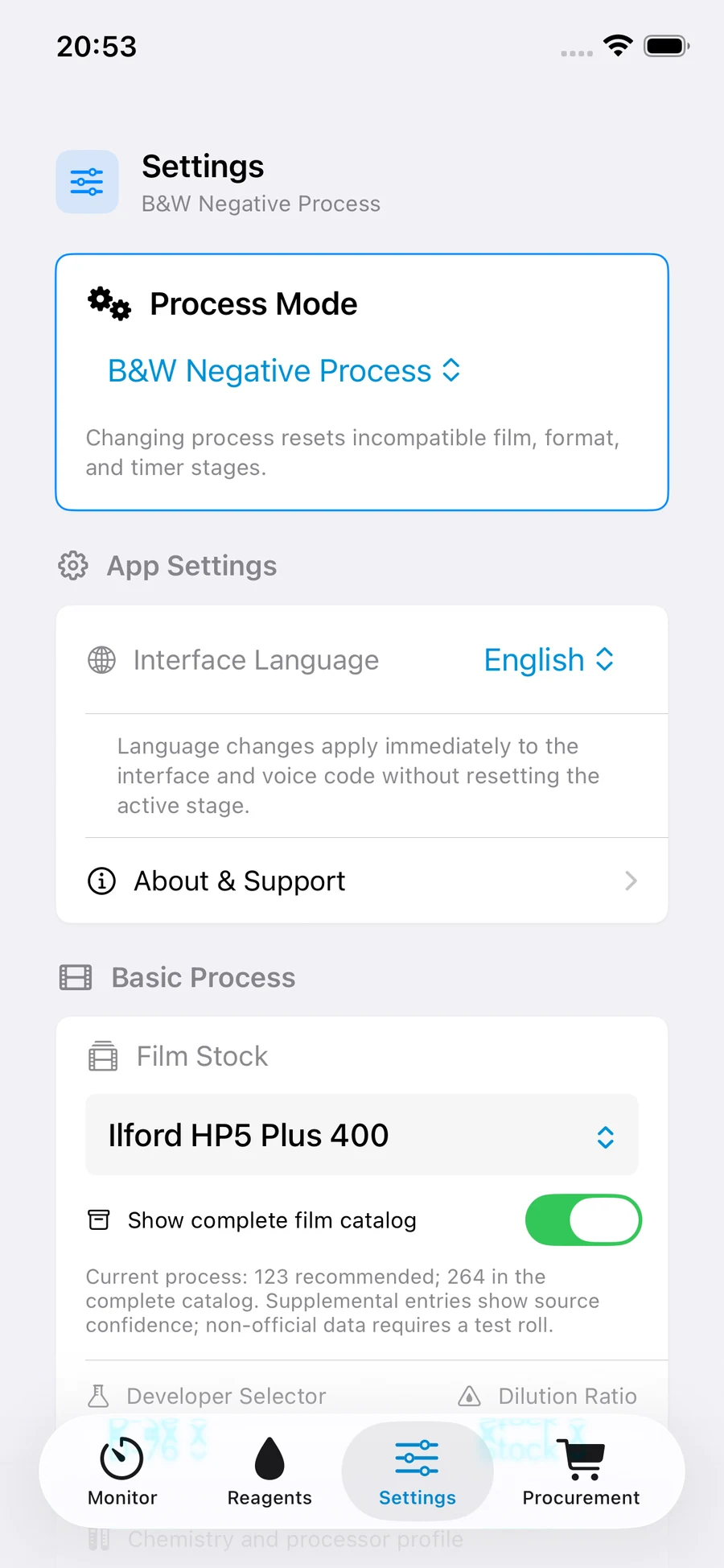
FilmDevMonitor settings for process, film, tank, format, agitation, and working volume.
Configure the working context
06Photography

Insects, landscapes and the night sky

“You don't take a photograph, you make it.”

— Ansel Adams
01 / 03

Milky Way over Red Earth

The Milky Way rises over Dongchuan's hills while terraces and village lights remain visible below.

Dongchuan Red Land
02 / 03

Forked Paths

Seen from above, a boardwalk divides and rejoins over the wetland while red-clad walkers head in different directions.

2025
03 / 03

Eclosion

A newly emerged cicada stays beside its shell, its transparent wings not yet fully opened.

Institute of Zoology
07Contact

Get in touch

You are welcome to write about published research, questions in computation and biology, or coffee, film and photography. App questions are welcome too.

Liao_Chenyan@yeah.net
  • Scientific exchange
  • Published research
  • Independent apps
  • Photography